Open 7 Days a WeekEmergency: (780) 488-0124

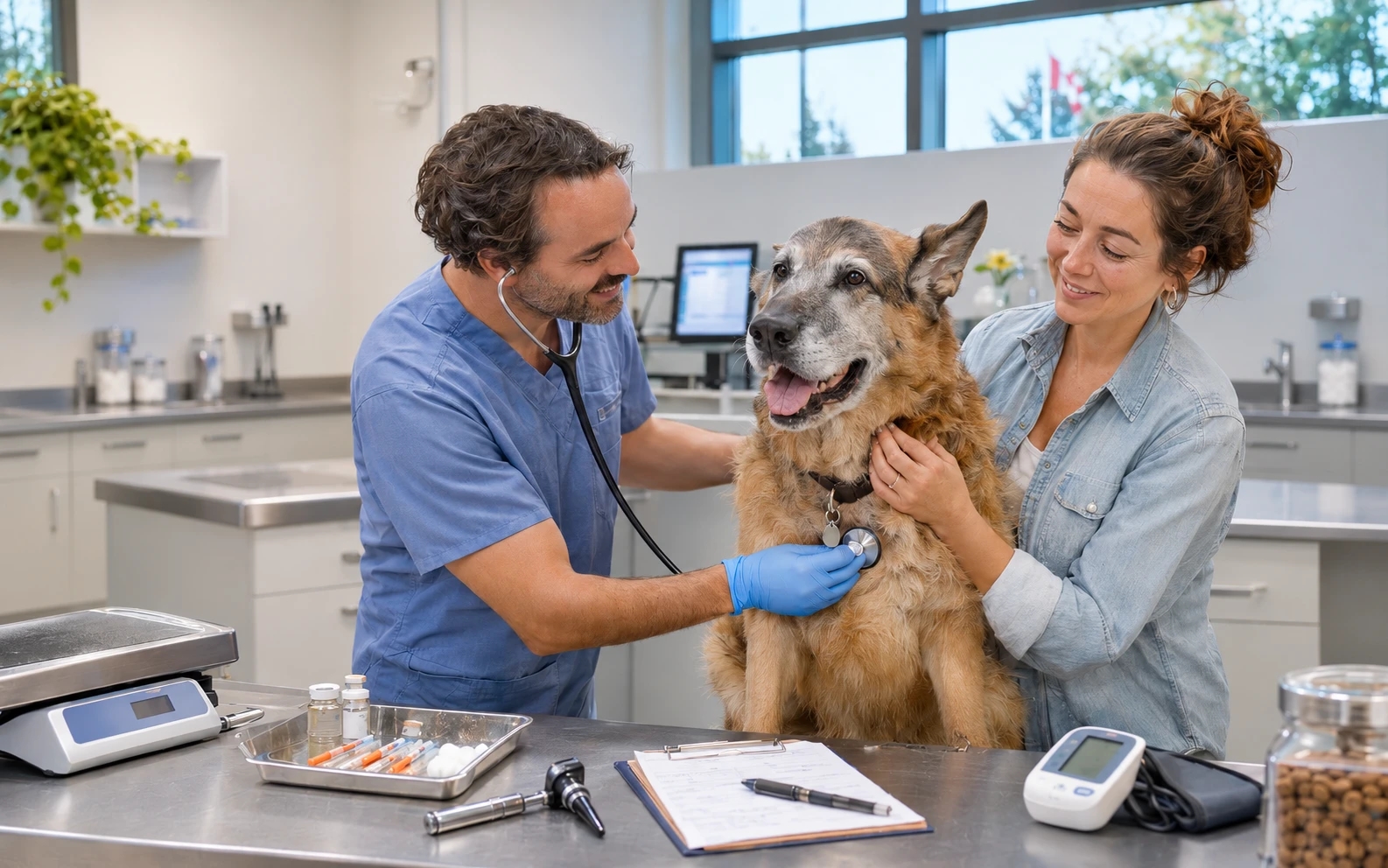
Your pet may look perfectly healthy, but skipping regular veterinary checkups could mean missing the early signs of a health problem that isn't obvious at home. Many pet owners wonder, “How often should pets see the vet?” The answer depends on several factors, including your pet's age, breed, lifestyle, medical history, and overall health. While a healthy adult dog or cat generally needs a veterinary examination at least once a year, puppies, kittens, senior pets, and animals with ongoing medical conditions often require more frequent appointments.
According to the American Animal Hospital Association (AAHA), all pets should receive a veterinary examination at least annually, with visit frequency adjusted to their individual needs.
Understanding your pet's changing healthcare requirements can help you identify potential problems early, maintain preventive care, and support a healthier life. This comprehensive life-stage guide explains when to schedule pet wellness exams, what happens during routine appointments, and which warning signs mean your pet should visit the veterinarian sooner.
Veterinary care should evolve as your pet grows from an energetic puppy or kitten into a mature adult and eventually a senior companion. The following table provides a general starting point for planning routine veterinary checkups.
Pet Life Stage | Recommended Veterinary Visit Frequency |
Puppies (birth to approximately 12 months) | Every 3-4 weeks during the initial vaccination and preventive-care series, often beginning at 6-8 weeks |
Kittens (birth to approximately 12 months) | Every 3-4 weeks during the initial vaccination and preventive-care series, often beginning at 6-8 weeks |
Healthy adult dogs | At least once yearly; some benefit from visits every 6 months |
Healthy adult cats | At least once yearly |
Mature adult dogs and cats | Every 6-12 months, depending on individual health risks |
Senior dogs | At least every 6 months |
Senior cats | At least every 6 months |
Pets with chronic medical conditions | As directed by the veterinarian, sometimes every 1–3 months or more frequently |
Important: These recommendations are general guidelines rather than fixed rules. Your veterinarian may suggest a different schedule based on your pet's condition, vaccination needs, and risk factors.
Preventive veterinary care involves more than vaccinations and treating obvious illnesses. Routine visits help veterinarians evaluate changes in your pet's physical health, behaviour, nutrition, and overall well-being. Dogs and cats cannot explain when something feels wrong. Some health problems develop gradually, making subtle symptoms difficult for owners to recognize. Regular examinations give veterinarians opportunities to detect concerns before they become more serious.
Veterinarians can identify changes that may suggest developing medical conditions.
During a wellness appointment, they may check for:
Early detection may improve treatment options and help prevent avoidable complications. However, the benefits of screening depend on the individual condition and the tests being performed.
Vaccinations help protect pets from potentially serious infectious diseases. Depending on species, age, location, and lifestyle, recommended vaccines may protect against diseases such as rabies, canine parvovirus, canine distemper, and feline panleukopenia. Not every vaccine needs to be administered annually. Your veterinarian will determine the appropriate schedule based on vaccine guidelines, product duration, and local legal requirements.
Obesity and inappropriate nutrition can contribute to joint problems, metabolic disorders, and reduced quality of life. During pet wellness exams, veterinarians assess body weight, body condition, and muscle condition. They can also recommend suitable diets, feeding amounts, and exercise routines.
Dental disease can cause discomfort, difficulty eating, and infections that affect your pet's well-being. Routine examinations help veterinarians identify problems such as tartar buildup, inflamed gums, fractured teeth, and oral pain. Professional dental cleaning or additional treatment may be recommended when necessary.
The first year of a pet's life is one of the most important periods for establishing preventive healthcare. Puppies and kittens undergo rapid physical development while their immune systems are still maturing. They also need initial vaccinations, parasite prevention, nutritional guidance, and monitoring for congenital health problems.
Puppies generally need veterinary appointments every three to four weeks during their initial vaccination series, which commonly starts between six and eight weeks of age and continues until at least 16 weeks, sometimes longer depending on risk.
During these visits, veterinarians may recommend:
For example, a Golden Retriever puppy may require additional attention to growth rate, body condition, and joint development because large-breed dogs have different nutritional needs from smaller breeds. Your veterinarian can recommend an individualized schedule rather than relying on a single plan for every puppy.
Kittens also typically begin veterinary visits around six to eight weeks of age, followed by appointments approximately every three to four weeks during their initial vaccination series. These appointments focus on healthy development, infectious disease prevention, and establishing good healthcare habits.
Common areas of kitten care include:
For kittens, vaccination schedules may vary depending on whether they live indoors, outdoors, or in a multi-cat household.
Key takeaway: Even after the initial vaccination series ends, puppies and kittens may need further appointments during their first year for boosters, developmental assessments, and other preventive services.
Once pets reach adulthood, their healthcare needs generally become more predictable. However, appearing healthy does not eliminate the need for routine veterinary checkups.
Healthy adult dogs should receive a comprehensive veterinary examination at least once annually. Some dogs benefit from checkups every six months, particularly if they have breed-related health risks, changing medical needs, or specific lifestyle exposures.
During adult dog wellness appointments, veterinarians commonly assess:
For example, an active dog that frequently visits parks, boarding facilities, or hiking trails may need a different parasite prevention strategy from a dog with limited outdoor exposure. Veterinary recommendations should reflect these individual risks.
Healthy adult cats should also visit the veterinarian at least once a year. The AAHA/AAFP Feline Life Stage Guidelines recommend a minimum of annual examinations, with greater frequency when individual circumstances warrant it. Even indoor cats benefit from regular veterinary care.
They can develop dental disease, obesity, urinary problems, arthritis, and other medical conditions unrelated to outdoor exposure.
Cats are also particularly skilled at concealing discomfort and behavioural changes. A cat that continues eating and sleeping normally may still have an underlying medical concern. Veterinarians can identify subtle changes in weight, dental health, movement, and other indicators that owners may overlook.
As pets grow older, their risk of developing chronic medical conditions generally increases.
Senior pets may experience changes in mobility, metabolism, organ function, senses, and cognitive health. For this reason, senior pet health checkups are generally recommended at least every six months.
The age at which a dog becomes a senior varies significantly by breed, body size, and individual health. Large and giant breeds often enter later life earlier than smaller dogs. Rather than relying exclusively on chronological age, veterinarians assess physical condition, expected lifespan, and age-related changes.
Senior dog checkups may focus on:
Veterinarians may recommend blood tests, urinalysis, or additional diagnostics based on examination findings and individual risk.
Cats around 10 years of age and older are commonly classified as seniors under feline life-stage guidelines. Senior cats should generally receive veterinary examinations at least every six months.
Veterinarians may pay particular attention to conditions such as:
For example, an older cat that begins drinking more water or losing weight despite a good appetite may need testing for kidney disease, diabetes, or hyperthyroidism. These symptoms should not automatically be dismissed as normal ageing.
Six-month checkups allow veterinarians to monitor changes over shorter intervals. They also provide opportunities to review medication effectiveness, pain management, nutrition, and quality of life. Some senior pets with complex medical conditions require appointments more frequently than twice a year. The goal is not simply to extend lifespan but to help pets remain comfortable, active, and engaged with their families.
A comprehensive wellness examination evaluates your pet's overall health rather than focusing only on one symptom. Although the exact process varies among veterinary hospitals, a typical appointment includes several important assessments.
The veterinarian examines your pet from head to tail. This may include checking the eyes, ears, mouth, skin, heart, lungs, abdomen, lymph nodes, joints, and other body systems.
Body weight is recorded and compared with previous visits. The veterinarian may also evaluate body and muscle condition to identify unhealthy weight changes or potential nutritional concerns.
Your veterinary team reviews vaccination records and discusses appropriate protection against parasites. Recommendations depend on lifestyle, geographic location, travel, and individual health risks.
Some pets benefit from diagnostic testing even when they do not show obvious symptoms.
Depending on age, medical history, and examination findings, veterinarians may recommend:
Not every pet needs every test at every appointment. Testing should be selected according to clinical findings and individual healthcare needs.
Veterinary wellness visits also provide an opportunity to discuss unusual behaviours, appetite changes, anxiety, sleep patterns, exercise, and training. These conversations are important because behavioural changes can sometimes be associated with pain or underlying illness.
Routine wellness appointments are important, but they should never replace prompt medical attention when a pet becomes unwell. Certain symptoms warrant contacting your veterinarian without waiting for the next scheduled visit.
Schedule a timely veterinary appointment if you notice:
Seek emergency veterinary care immediately for:
Never wait for a routine wellness appointment when your pet is experiencing potentially life-threatening symptoms. If you are uncertain about the urgency of a symptom, contact a veterinarian or emergency animal hospital for guidance.
Age is important, but it is not the only factor determining veterinary visit frequency. An individualized care plan considers several additional influences.
Some breeds are more likely to develop particular health conditions. For example, large-breed dogs may require additional monitoring for orthopedic problems, while certain cat breeds can have inherited medical risks. Your veterinarian can recommend appropriate screenings based on your pet's breed and family history.
Pets that spend time outdoors, travel frequently, interact with unfamiliar animals, or attend boarding facilities may face increased exposure to infectious diseases and parasites. Their preventive healthcare plans may need adjustments.
Pets diagnosed with diabetes, kidney disease, heart disease, or other chronic illnesses often require more frequent follow-up appointments. These visits help veterinarians evaluate treatment response, monitor disease progression, and adjust medications when necessary.
Certain medications require periodic blood tests or other monitoring. Follow-up frequency depends on the medication, the condition being treated, and the pet's response.
Preventive veterinary care combines routine examinations, vaccinations, parasite prevention, nutrition, dental care, and early evaluation of health concerns. The objective is to reduce avoidable disease risks and support well-being throughout every stage of life.
Veterinary examinations create opportunities to identify concerning changes before obvious symptoms develop. Earlier diagnosis can sometimes make a condition easier to manage and reduce the risk of complications.
Routine weight assessments and nutrition discussions can help pet owners make informed decisions about food portions, exercise, and weight management.
For pets with existing illnesses, follow-up visits help veterinarians determine whether treatment plans are working. Adjustments may improve comfort and disease management.
Regular veterinary visits help pet owners build a relationship with their veterinary team. This makes it easier to discuss new symptoms, behavioural concerns, and changing healthcare needs.
Preventive care also includes pain recognition, mobility support, environmental adjustments, and discussions about everyday comfort. These considerations become especially important as pets enter their senior years.
Preparing ahead can make routine veterinary checkups more productive.
Consider taking the following steps:
For anxious pets, ask the veterinary team about low-stress handling methods and ways to make future visits more comfortable.
Knowing how often your pet should see the vet is an important part of responsible pet ownership. Puppies and kittens need frequent visits during early development, healthy adult pets generally require at least annual wellness examinations, and senior dogs and cats benefit from checkups at least every six months. However, every pet is different. Age, breed, lifestyle, and medical history should all influence the frequency of veterinary care.
Regular pet wellness exams, preventive screenings, and ongoing communication with your veterinarian can help identify health concerns early and support your pet's comfort and well-being.
Make preventive care part of your pet's routine. If you're unsure when your dog or cat should have their next checkup, contact your veterinary team to discuss a personalized wellness schedule that fits your pet's age, health, and lifestyle.